

I'm back.

It has been a while since I last posted news of the old. I lost the plot when a newspaper I once worked for asked me to resume a Washington column before the 2024 US election. I couldn’t resist a return to writing about the new. The thrill wore off pretty quickly, though. Paying attention put me in a permanent rage. All I was doing was ranting which served no useful purpose and wasn’t worth the paper’s limited coin. So three months into the Golden Age I called it quits.
Sloth, a tendency to be easily distracted and a horrible habit of doomscrolling hindered my return to the old. A newly acquired addiction to solitary walks in the woods, cold turkey for doomscrolling, also had something to do with it. But now, at the start of a new year, here I am again with my great aunt Margery and other tales from the family and other attics.
Thank you all who flatteringly pledged to support News of the Old with a subscription. By my protracted absence, I have forfeited the right ever to call in your pledges. I shall instead be putting out a busker’s hat.
A new installment of Margery’s adventures should be landing in inboxes shortly after this post. This link will take you to all the Margery chapters I have posted so far. Here is a draft of the introduction to the book I am working on.
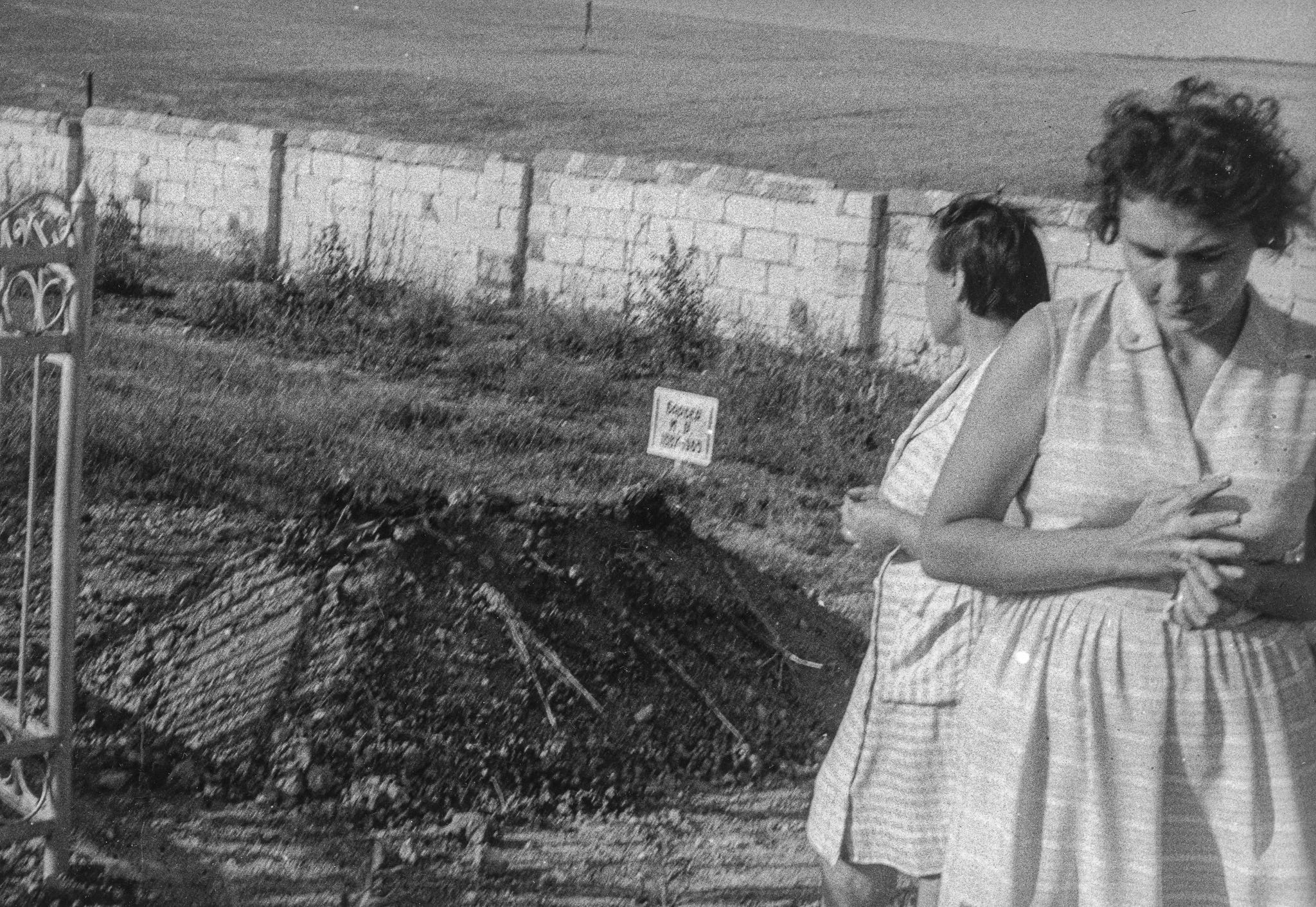
I never met my great aunt Margery but she has been in my life from almost the moment she died in the summer of 1965. I was 9. She was 77 and had been living in the Soviet Union since 1922. In the twilight of her life she showed signs of wanting to come home. My father went to investigate. He was Washington correspondent for a London newspaper at the time and convinced his editors that the story of his father’s eccentric sister, though way off his beat, would interest readers. He came back with a memorable tale but meant to do it fuller justice with a book when he retired. He didn’t get there, leaving the job to me. I have put it off long enough.
A clergyman’s daughter, Margery was liberated by the First World War. Until then she had been, in the parlance of the time, a “surplus woman”. The family thought Canada might be the answer. It wasn’t. She came home and landed a spot an as an orderly with a volunteer British medical unit in Serbia. That adventure ended with her capture. Repatriated, she signed on to help victims of the Armenian genocide. When the Turks threatened to overrun her hospital, she joined a Quaker mission caring for refugees and POW’s in Russia. The October 1917 revolution found her somewhere east of the Volga. She hoped to stay in Russia but was forcibly repatriated in 1919 after falling into the hands of counter-revolutionaries. Back in England, she wrote a short book in praise of the Bolsheviks which HG Wells liked well enough to cite in a footnote. The authorities took a more jaundiced view. She went next to Poland to join another Quaker mission but was asked to leave for preaching her new gospel a little too ardently, endangering the mission’s official welcome. Home once more, she remained determined to get back to Russia but had trouble renewing her passport. In the interim she earned a midwifing certificate in London’s slums and joined the Communist Party. She made it back to Russia in 1922, this time as a freelance relief worker and never left. Difficult years followed, as you will read, but she never lost her guileless faith in Soviet socialism.
She bewildered a lot of people, not least that side of the family — the Guinness clan of beer and banking fame — to whose class she became an unabashed traitor, but the tears shed over her coffin, a gimcrack cardboard thing that would have pleased her mightily, betokened real sorrow on the part of friends and neighbors in Simferopol, the Crimean town that was her home after World War II. She was raised in the Anglican communion and knew her Trinity Sunday from her Advent, but her goodness was robustly God-less, her Jesus real but thoroughly mortal. The closest thing to His reincarnation, as she saw it, was the birth of one Vladimir Ilyich Lenin.
She never left the workers’ paradise after 1922, but did stay in touch. She was fond of her mother, even more so of her father, and wrote as often as she could. Her father recorded his daughter’s adventures in what came to be known in the family as The Margery Book, starting with her departure for Canada in 1913 and ending with his death in 1928. Her mother saved her letters thereafter, stuffing them looseleaf into a notebook in more of less chronological order until the early thirties. After that we have to rely on third party accounts until 1944 when Margaret writes home to reassure the family that she has survived — just — the Nazi occupation. From then until her death, she wrote quite frequently to my grandfather, her younger brother. He passed the letters to his son.
Over time, The Margery Book, loose letters and sundry other bit ands pieces found their way into a box which has followed me around waiting to be turned into, well, A Margery Book. Here it is.
I like her secular take on JC. I spent a long New Years break listening to the Nietzsche podcast. Here’s to us free spirits!
actually, he is collecting new material at the moment, but must wait in line til I finish an academic essay on Flann O'Brien. And some other tasks to bring me into the 21st c. Am hoping to follow your example and return to these stacks sooner.